
Solar Power Systems for Remote Security & Surveillance
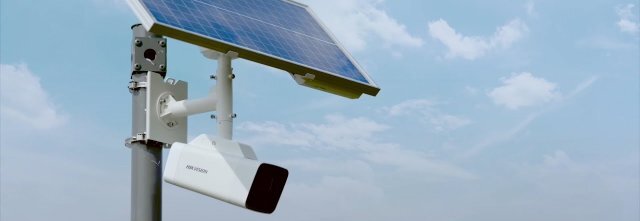
Send us your camera and network gear list and we’ll match it to a 10–500 W solar power package sized for 3–7 days of autonomy.
- IP & PTZ cameras
- LTE / radio links
- Remote gates & yards
When reliable surveillance is mission-critical and access to grid power isn’t an option, our off-grid systems provide dependable power for cameras, radios, gateways, and more — wherever you need them.
Remote Security Doesn’t Fall Apart on Cameras — It Falls Apart on Power.
If you work remote sites, you already know the power side is where projects get burned. Trenching gets pushed, utility timelines slip, bids come back insane, and suddenly the surveillance portion is sitting idle. Solar isn’t about being clever — it’s about cutting out the delays, the finger-pointing, and the “waiting on power” excuse so you can turn up cameras when you said you would. Same gear online, less drama getting there.
- Zero trenching — no permits, no subcontractor delays, no buried conduit issues.
- Fast deployment — power the site in hours, not weeks.
- Predictable costs — avoid unpredictable utility bids and change orders.
- Works anywhere — rural, temporary, undeveloped, or high-theft locations.
- Repeatable BOM — same kit used across towers, yards, gates, and job trailers.
- Lower risk — stable 24/7 power prevents outages that lose evidence or footage.
Typical Equipment Loads
Representative power and energy use for common security and surveillance devices.
Recommended Solar Kit Classes (10–500 W)
| Kit Class | Common Loads | Daily Energy | PV Array | Battery Bank |
|---|---|---|---|---|
| 10–50 W | Single camera, small radio | ≤ 250 Wh/day | 50–100 W | 12 V · 80–150 Ah |
| 50–150 W | Camera + LTE or single PTZ | 250–800 Wh/day | 150–300 W | 12–24 V · 200–400 Ah |
| 150–300 W | Multi-camera setups | 800–2,000 Wh/day | 300–600 W | 24 V · 300–700 Ah |
| 300–500 W | Towers + multi-camera arrays | 2,000–4,000 Wh/day | 600–900 W | 24–48 V · 600–1,100 Ah |
Build a System from Stock Components
Solar Panels
Charge Controllers
Batteries
Mounting & Enclosures
Need Help Choosing?
Use our sizing calculator below or contact us for assistance selecting components.

Security & Surveillance Solar Sizing Calculator
Frequently Asked Questions
How long will these systems run without sun?
Most deployments target 3–5 days of autonomy. Critical sites use 7+ depending on climate and risk tolerance.
Can these systems run PTZ or IR cameras?
Yes. PTZ and IR modes draw more energy, typically putting them in the 50–150 W or 150–300 W system class.
Can I run multiple cameras?
Multi-camera or multi-device setups often fall into the 150–300 W or 300–500 W classes, depending on radios and routing gear.
Other Resources
- FCC: Network Outage Reporting System (NORS) — Useful for understanding outage trends and reporting requirements when solar power supports regulated communication systems.
- CISA: Cybersecurity & Infrastructure Security Agency — Offers best practices for securing network-connected surveillance equipment deployed in remote areas.
- NREL: National Renewable Energy Laboratory — Provides solar performance data, battery research, and insights relevant to field deployments.
- Security Industry Association (SIA) — Technical resources, standards, and market research for security professionals and integrators.
- IPVM: Independent Video Surveillance Testing — Product reviews and comparison tools for IP cameras and NVRs frequently used in solar-powered systems.